If you’re new to the whole manga thing, there’s probably some words that you see pop up in certain situations that are a little confusing. Allow us to give you a brief rundown on a few of the terms that pop up on the regular!
Senpai/Kouhai
Let’s kick this lesson off with two of the most common words you’re likely to come across in manga!
Senpai (sometimes written as sempai) and kouhai. We don’t really have an equivalent in English, which is why these get used as is.
Senpai – 先輩 – upperclassman/senior
Kouhai – 後輩 – underclassman/junior
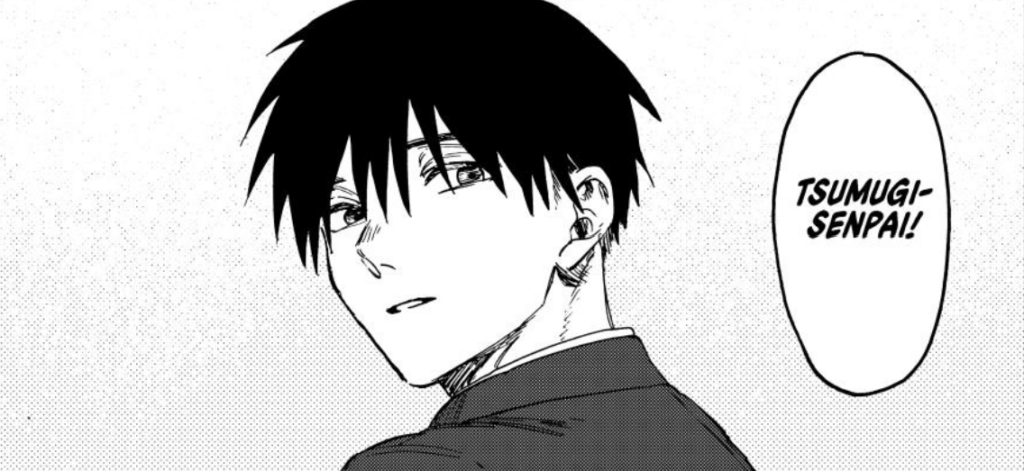
If someone is in the grade above you at school, has been working at a place longer than you, or part of some kind of activity longer than you, they are your senpai. And if it’s the opposite, they’re your kouhai!
One important thing to note, though, is while you can attach “senpai” after someone’s name, “kouhai” is used on its own.
For example, Tsumugi-senpai above. If you were introducing your kouhai, you’d just say “this is my kouhai”!
Sensei
Next on our list is sensei!
Sensei – 先生 – teacher/doctor/master
You’ll see this in a few places, but the most common uses you’ll find in the manga world are when it’s added as a title to teachers at school, or as a term of respect for the manga artists themselves.
Where in English, you’d use Mr, Miss, Ms, or Mrs as your teacher’s title (or even Professor at a university level), these are all “sensei” in Japanese!
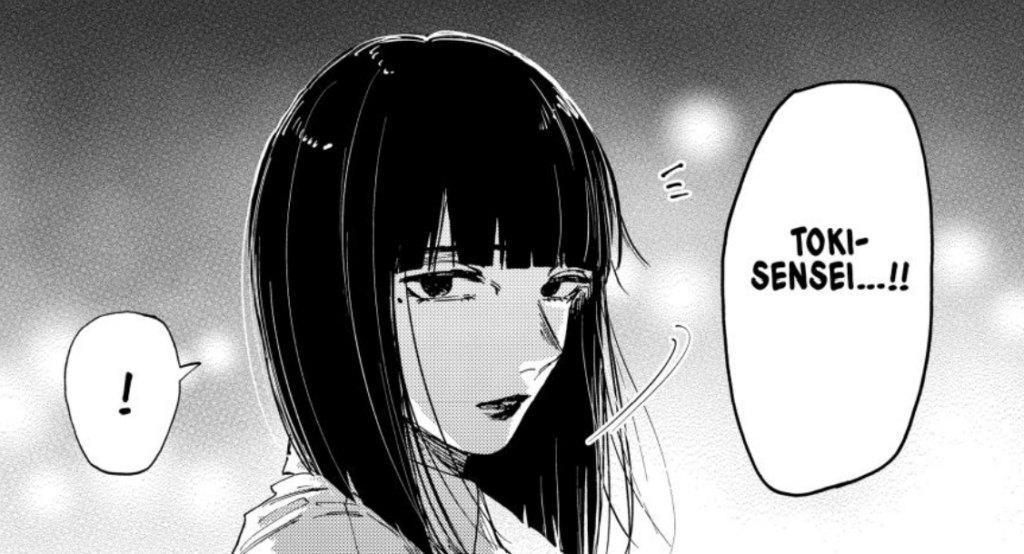
Students refer to their teachers by adding “sensei” after their name, just like this panel!
-san/-kun/-chan/-sama
When you’re talking to other people in English, typically you call them by name, right? Really close friends might just call their friends by name in Japanese, but the above honorifics are usually added to the end of names to denote levels of respect/closeness.
-san – さん – Gender-neutral, standard polite title (Mr./Ms.).
-kun – くん/君 – Used for men, boys, or kouhai of any gender.
-chan – ちゃん – Typically for children, girls, close friends, or pets.
-sama – さま/様 – Formal honorific for superiors, clients, or deities.
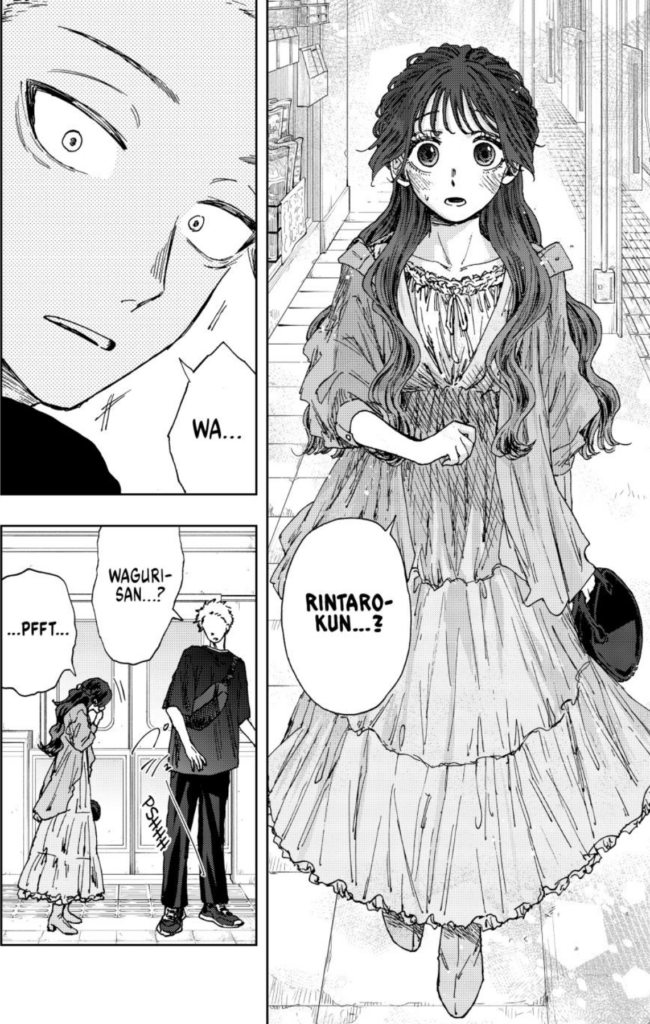
I think Rintaro calling Kaoruko “Waguri-san” while he’s still navigating the early stages of their relationship is really cute.
Onee-san/Onii-san
Sometimes, you’ll see younger siblings call their older siblings “Onii-san” or “Onee-san” (or -chan!) instead of their names. It can also be used to call out to young men or women who you don’t know!
Onee-san – お姉さん – older sister/young woman
Onii-san – お兄さん – older brother/young man
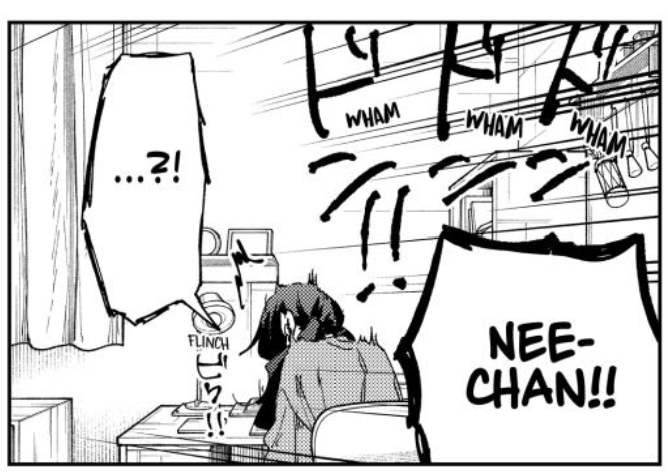
Or in this instance, “NEE-CHAN!” when Kaoruko is too locked in to studying to notice her brother trying to get her attention!
That’s all for our first manga lingo lesson! Are there any other words you’re curious about?
Let us know, and they might make it into the next installment!
Read The Fragrant Flower Blooms With Dignity on K MANGA!
Recommendations

Unleashing Ultra-Violence: Manabu Yashiro on Crafting Tank Chair – Part 1

[K-9: Public Security Bureau, Division 9 – Special Abilities Countermeasure] Coolness is a Weapon – Interview with Tetsuya Okuyama – Part 2

Halloween Cosplay Ideas
[K-9: Public Security Bureau, Division 9 – Special Abilities Countermeasure] Coolness is a Weapon – Interview with Tetsuya Okuyama – Part 1

Vampires, Witches, and Monsters, Oh My!