This article was originally published on March 22, 2024.
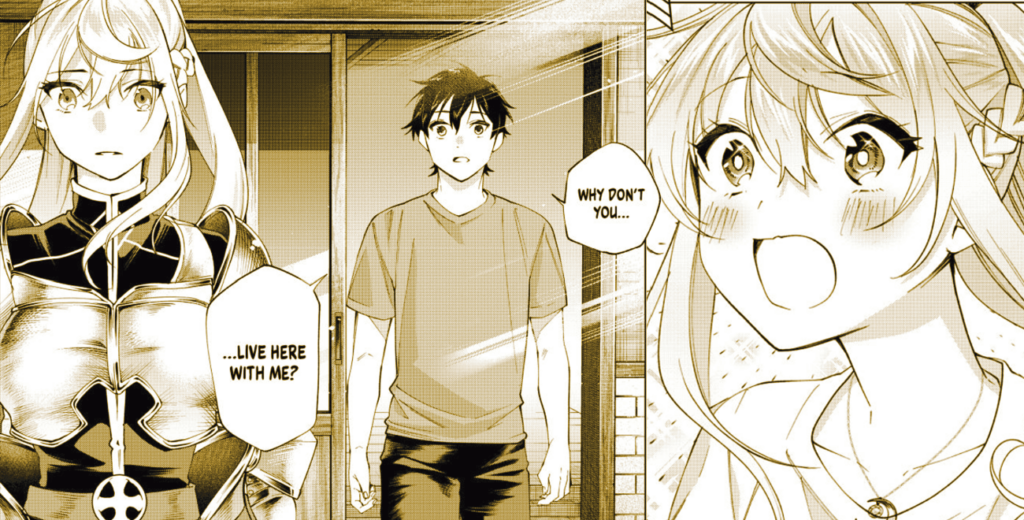
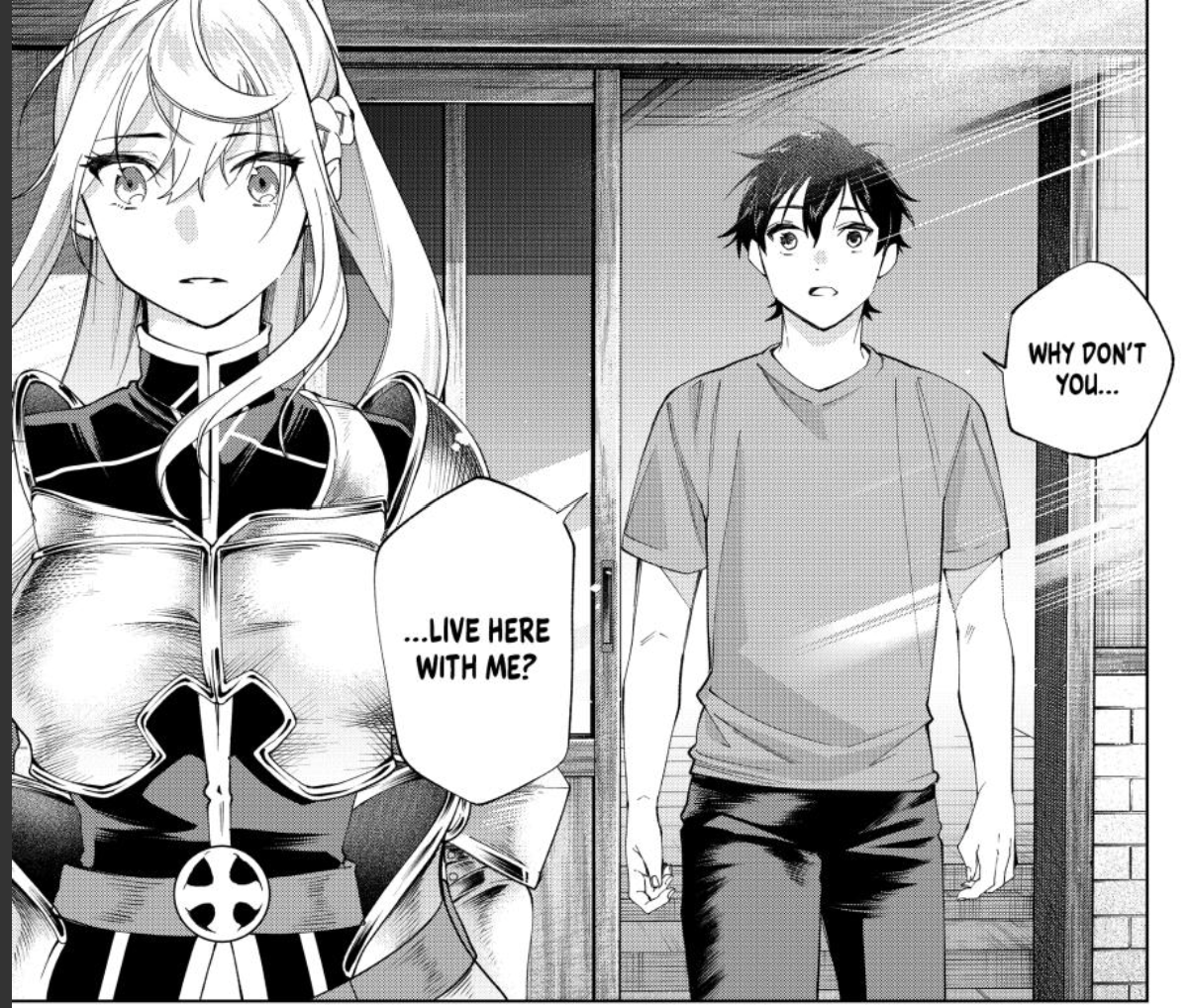
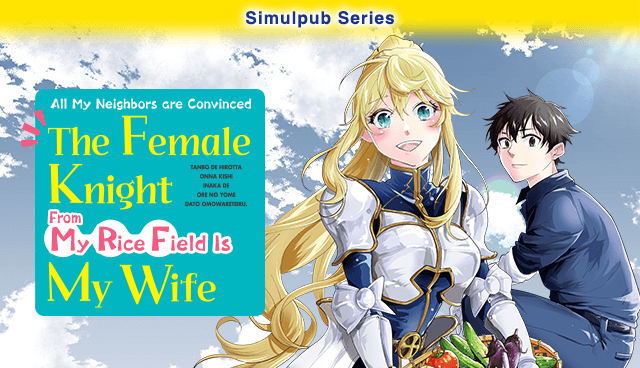
“All My Neighbors are Convinced the Female Knight from My Rice Field Is My Wife” tells the story of Jin Mita, a farmer in a quaint countryside village in Japan and Seraphim, the knight who suddenly appears in one of his rice fields one day. A relaxed-paced, farming fantasy manga!
We sat down with Saori Otoha to talk about what made them want to become a manga artist, and some behind-the-scenes talk of what it’s like making a manga!
A youth immersed in shonen manga
――Otoha-sensei, could you tell us what made you want to become a manga artist?
Otoha:
I have loved drawing ever since I was a kid. It’s probably quite common, but I also really enjoyed manga and naturally wanted to try my hand at becoming a professional manga artist.
――What kind of stories have influenced you?
Otoha:
Yu Yu Hakusho and HUNTERxHUNTER. When I was a kid, there were some manga that belonged to my uncle that were at my grandparents’ house, and the only series that were complete were these two [laughs]. I was too young to fully understand the story, but I fell in love with how cool the characters were. Togashi-sensei’s characters feel like they are right there alongside you in his manga.
――So you mainly read shonen manga?
Otoha:
When I was a kid, it was my only option. Every week, I’d run to the corner shop, spend my pocket money on one of the weekly shonen magazines, and then pass it around with my friends. Weekly Shonen Magazine is a little more grown-up content-wise, so I only started reading it after I was a little more mature [laughs].
A breath of fresh, otherworld air
――How did you feel when it was decided that your manga would be serialized on Magazine Pocket/K MANGA?
Otoha:
When my editor contacted me to say it was a genre I hadn’t drawn before, but that they thought my style would be a good fit for it, I was very happy. At that point, I was completely unaware of the “Become a Novelist” website (a free-to-use light novel website), and didn’t know much about the isekai/reincarnation genre… So my first task was to learn about light novels and the isekai genre.
――What was your impression of the original novel when you first read it?
Otoha:
Simply put, I thought the story was really interesting! Sera and Jin’s warm and gentle daily life was wonderful. I worried that it might be hard to get across that soft atmosphere in a manga format.
――And how did you get on learning about the isekai genre?
Otoha:
It was a breath of fresh air. The genre is so established now that you can leave out a lot of the details of how you got to the current situation. Though, because I am so unfamiliar with it, I kept wondering if it was okay to not explain things, or whether or not the village folks were too accepting of Sera, who’s from a whole other world, while I was drafting the storyboards [laughs]. I checked in with my editor so many times, it took about a month to complete the storyboards for the first chapter…
Editor N:
When you did submit them, though, I knew this would be a great manga. Otoha-sensei, you were so worried about whether things were ok or whether Sera was cute enough too [laughs].
Otoha:
I was definitely worried about whether I would get the vibe of the original story across. You gave me the push I needed and kept my pen moving.
――Otoha-sensei, up until now, you’ve worked on a variety of sports manga, like DAYS Gaiden, the spinoff series of DAYS, Blue Ping Pong, and Consul Nine. Is there a difference in the way that you drew those compared to this series?
Otoha:
Up until now, I’ve focused mainly on those core hooks of sports manga and scenes that show off how cool the characters are. Shonen manga is where my roots are, so working out the panels, etc., is comparatively easy for me. However, it’s important to get the pacing and movement, as well as the overall atmosphere, for slice-of-life stories. I think that’s where I struggled.
Getting that countryside atmosphere just right…
―― This story is set in the countryside. Have you ever lived in the countryside?
Otoha:
I’m originally from Fukuoka. If you drive 20 minutes outside of the city center, you end up in the rolling countryside. When I was a kid, I went to a relative’s house that was like the most picture-perfect countryside home. I drew on those memories to help me create the art.
――Speaking of the countryside, the rice fields are an essential element of this manga, aren’t they?
Otoha:
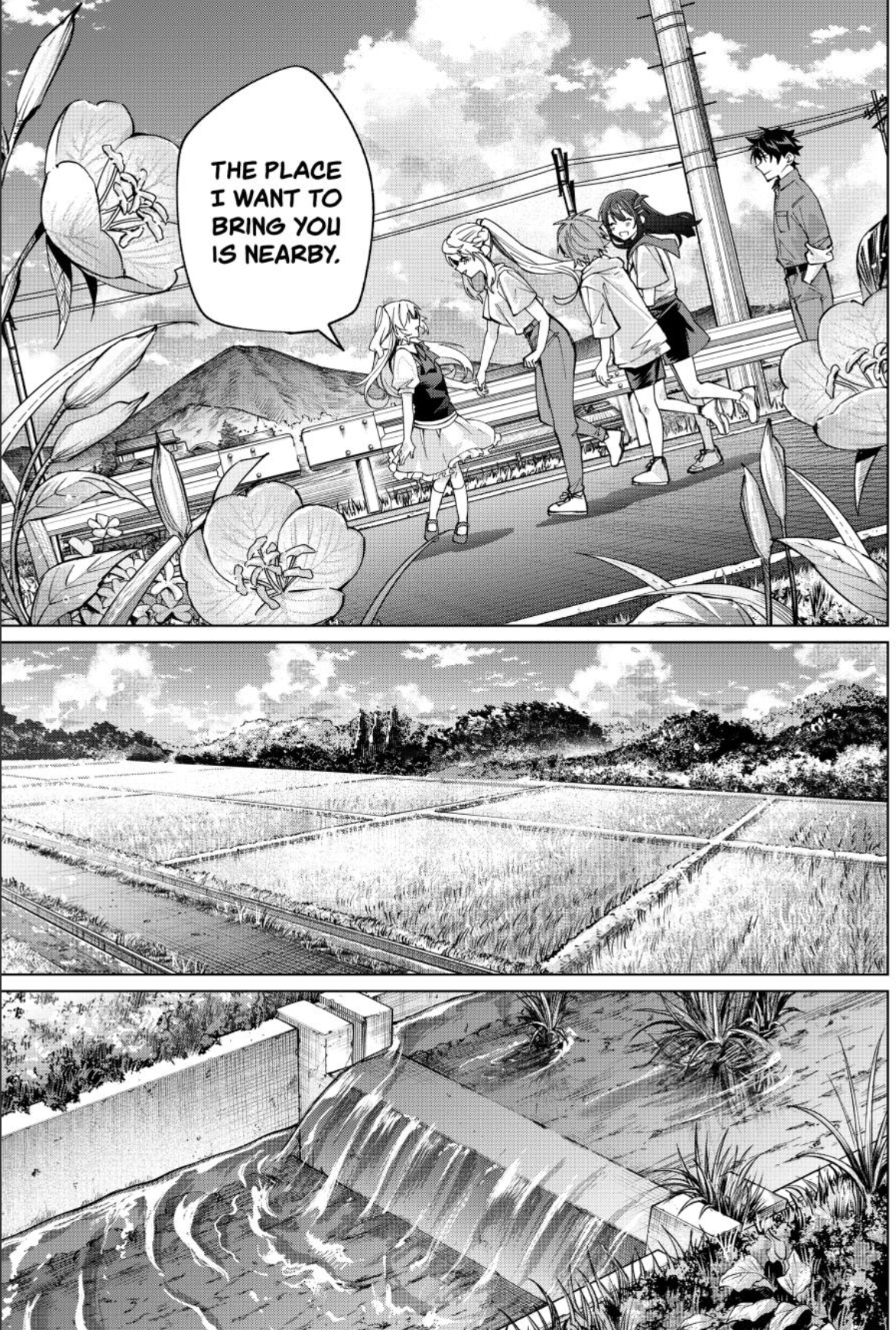
When I was collecting reference materials, I actually went out to see rice fields quite a lot. I also asked an assistant of mine who lives out in the countryside to send me pictures of any rice fields, if there were any nearby. We were able to do so thanks to working remotely.
Editor N:
When we were talking about how the countryside scenery would look, we decided that although the story is set in modern day Japan, it should be drawn like a fantasy.
Otoha:
I think that no matter where you live, there are positives and negatives, but in the original novel, there are no depictions of the downside to countryside life. We decided to stay faithful to the original and only convey the good parts of it.
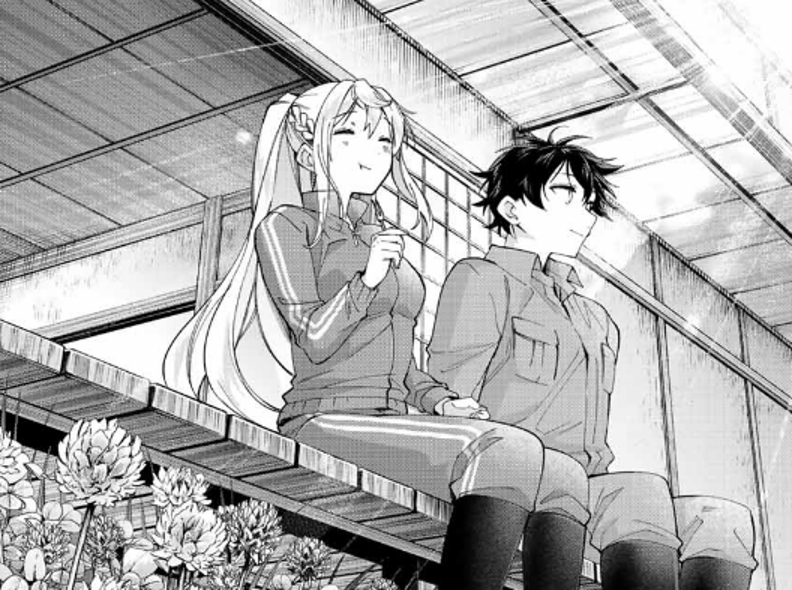
――Are there any scenes that you feel particularly embody those good parts of countryside life?
Otoha:
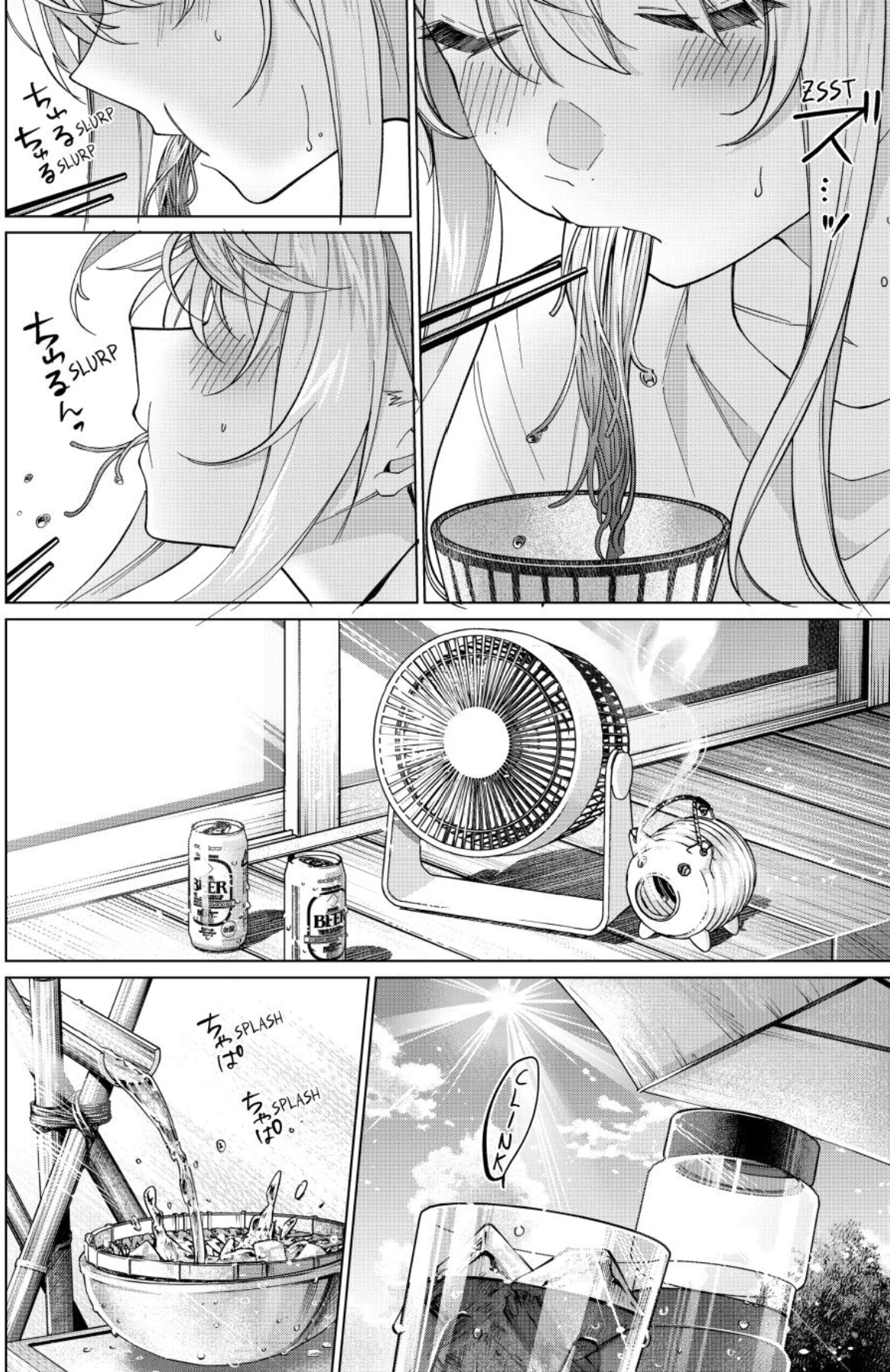
The eggs in the wooden bowl in the scene where the ingredients are laid out. I’m sure most people probably use them straight from the carton, but… [laughs]. It probably shows off what I consider to be the “ideal countryside life”.
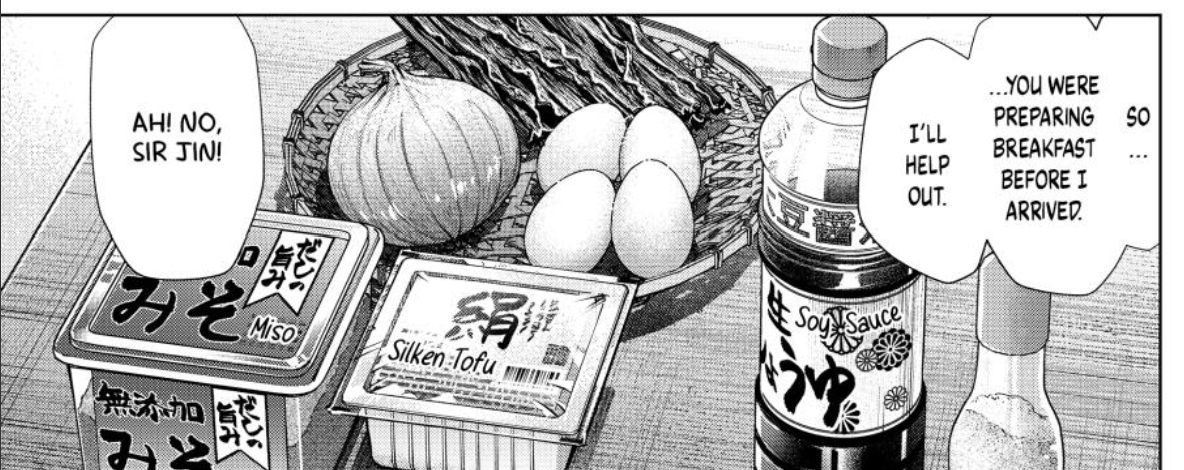
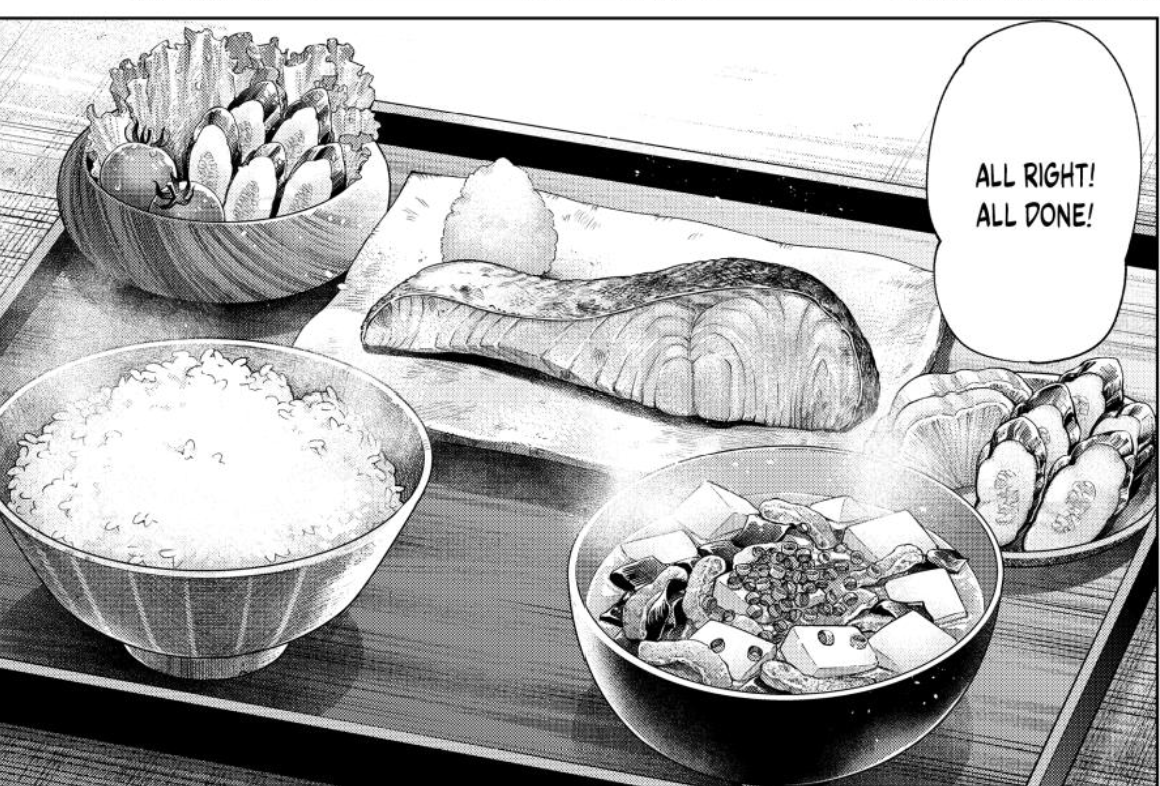
――All of the food in the manga looks absolutely delicious.
Otoha:
I really like all of the food scenes! I leave all of the art in them to my assistant, but I’m always hemming and hawing over how to make it look tasty. My assistant and I never eat before drawing the food [laughs]. I feel like that helps us create something that looks good.
You can read part 2 here!
Read All My Neighbors are Convinced the Female Knight from My Rice Field Is My Wife here!
Recommendations

Unleashing Ultra-Violence: Manabu Yashiro on Crafting Tank Chair – Part 1
[K-9: Public Security Bureau, Division 9 – Special Abilities Countermeasure] Coolness is a Weapon – Interview with Tetsuya Okuyama – Part 2
[K-9: Public Security Bureau, Division 9 – Special Abilities Countermeasure] Coolness is a Weapon – Interview with Tetsuya Okuyama – Part 1
Real Art, Real Doubts: Keiko Iwashita on Bringing Choking on Love to Life – Part 2
Real Art, Real Doubts: Keiko Iwashita on Bringing Choking on Love to Life – Part 1