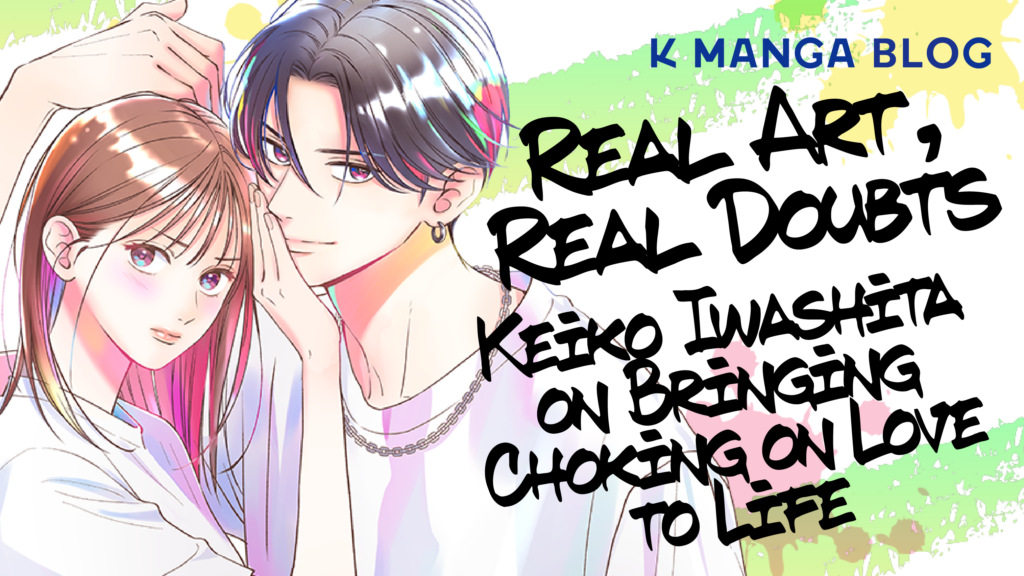
What goes into blending real-world creative struggles, college nostalgia, and high-energy romance? Manga artist Keiko Iwashita delves into the origins of Choking on Love, reflecting on character inspirations, musical influences, and the powerful mutual trust at the core of her story.
Thank you for joining us today! First of all, what made you want to become a manga artist in the first place?
I’ve enjoyed drawing ever since I was in elementary school, so I thought I’d like to try creating a manga, but when I picked up a G-pen, I couldn’t quite get the hang of it and gave up. Later, when I was attending art college, I was surrounded by people making incredible designs, and I ended up expressing my feelings in manga form as a kind ol escape. This time, I had a better grasp of how to use the G-pen, and I had a lot of fun drawing, and then suddenly, I started to want to become a manga artist.
Where do you usually draw your inspiration from when coming up with new stories?
Most of my ideas come while I’m spacing out, but I have trouble spacing out… Talking to people gives me ideas, and so does watching or reading other content. When I feel moved by something in a movie, or a manga, or something I see on YouTube, I make a note of it. The characters also bring ideas with them when they start moving.
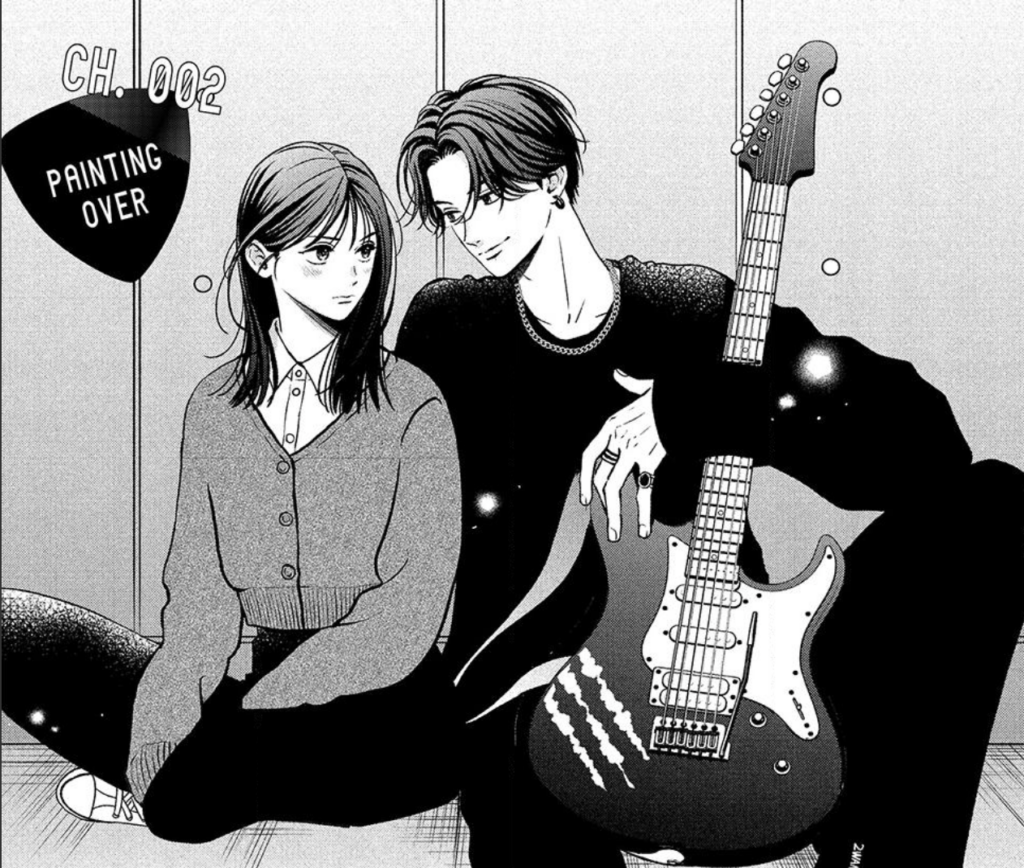
Personality-wise, Gaku and Hibari feel like two sides of the same coin. Gaku is outgoing, confident, and acts purely on instinct, whereas Hibari is quiet, full of self-doubt, and second-guesses everything. What made you decide to pair these two distinct personalities?
When it was decided that the setting would be a university, I decided to base Hibari’s character on myself. She’s supposed to be just your regular, average girl. An ordinary person. Someone who feels completely average, yet has a burning desire to pour their energy into something and is still searching for their own path. Gaku is a mix of a bunch of different geniuses I know. The type of person to hyperfocus on things and not care about what others think, just living their life driven by passion for what they love. I think everyone loves a genius, simply put, because they do things that an ordinary person wouldn’t. You can’t help but want to be like that. I thought it would be interesting to have someone like that as the hero; it’s not just about love, there’s jealousy and admiration too. I knew that kind of person would bring a lot of emotions into play.
A lot of modern romance manga take a long time to get the main couple together, but Gaku is intensely clear about his feelings right away. Did you always plan for their romance to move quickly, or did their dynamic evolve naturally on the page?
For these two, I thought that it would be more interesting after they got together rather than the chase. After this genius became her boyfriend, I wanted that to lead to a lot of worrying and personal growth.
Looking back on it now, though, I think I might have rushed things a little too much and left some emotions lagging behind, but I also think that’s fine in and of itself. After all, I put a lot of detail into that long relationship-building process when I was creating Living-Room Matsunaga-san.
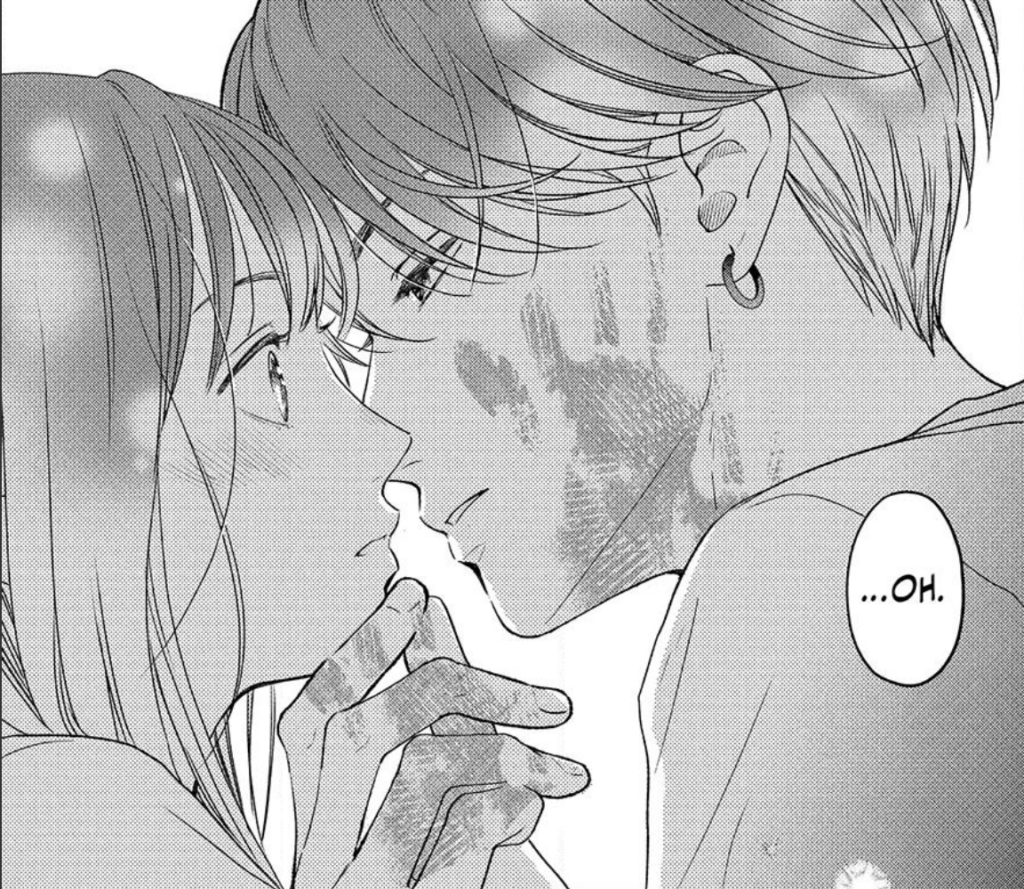
Despite Gaku’s gung-ho personality, he is always surprisingly respectful towards Hibari’s boundaries. Why was it important for you to include that side of his character?
I stuffed him full of the traits that you’d want to see in a shojo manga. If you’re having trouble with something, you’d want him to help you, stuff like that. Those guys in that “genius” category would most likely blow you off, though, right? Which is like, 0 out of 10 boyfriend points. I wanted Gaku to encourage Hibari and help her grow.
Where did you get the inspiration for Gaku and Rihito’s hairstyles? Is Gaku’s style modeled after any real-life musicians?
I held a kind of audition at the start of the series for all the PANTERA NEGRA members, Gaku and Rihito included. I drew a lot of different guys, lined them all up together, and asked my editor and the people around me which ones they liked. The overwhelmingly popular choice was Gaku. His hairstyle was also trending pretty hard at the time. I actually used Ren Meguro from the idol group Snow Man as a base! Then, looking at the overall balance, there was Rihito. I wanted to draw a beautiful, androgynous guy for him, and to make his silhouette more recognizable, I made his hair shorter than Hibari’s. I was inspired by Kurt Cobain from Nirvana; when I was looking through pictures, he was the one who stood out the most. My editor at the time also made a comment that a straight bob like Akira Toya from Hikaru no Go would be good.
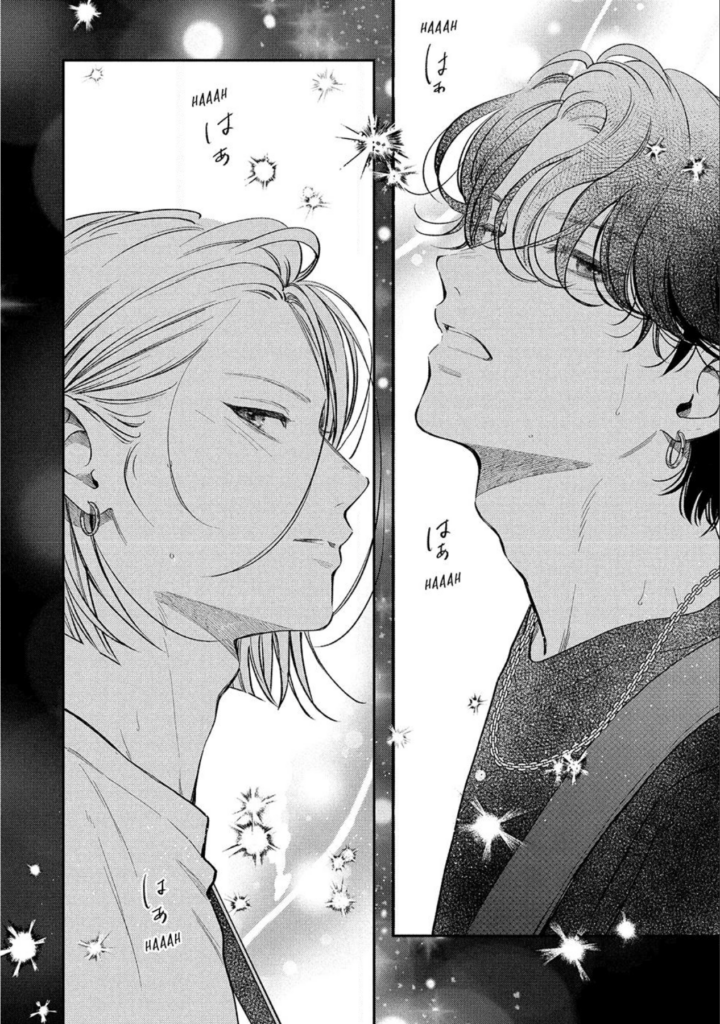
The college setting gives the story a very distinct vibe compared to traditional high school romances. What has been the most fun aspect—or the biggest challenge—of writing for university-aged characters?
The freedom of college! There’s none of that awkwardness between guys and girls that you get in high school; you can just freely stay over at a friend’s place regardless of gender. It’s great. There’s a lot of overlap with my own experiences, like doing assignments at someone else’s house.
On the flip side, that freedom is also really tough. Compared to middle or high school, the curriculum is really extensive. I can’t remember which assignments happen during which semesters, or how many periods there are in a day, that kind of thing. Also, everyone is in their own clothes instead of a uniform, so I have to make sure their outfits have variation each time. It’s pretty tough.
We noticed that the shirts you draw contain a lot of fun phrases, like asking the readers to support the physical volume releases!
Yes, that’s right! Well spotted!
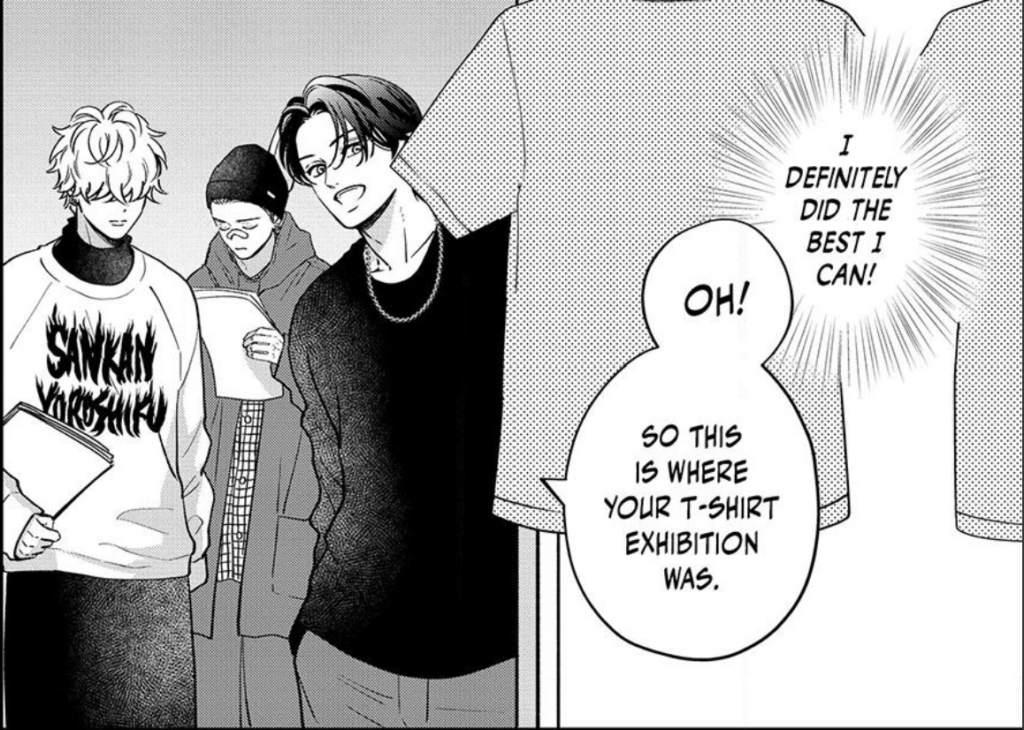
Gaku and Hibari are both art students in very different disciplines, oil painting and graphic design. What made you select these two specific mediums, and what is your own background in art education?
I went to an art college myself. The college I attended, Musashino Art University, is the basis for M University, the setting for the series. Each department has a distinct vibe. I thought that oil painting would be a great fit to show off Gaku’s genius, uniqueness, and the way he forges his own path. Hibari is in graphic design because that’s what I studied.
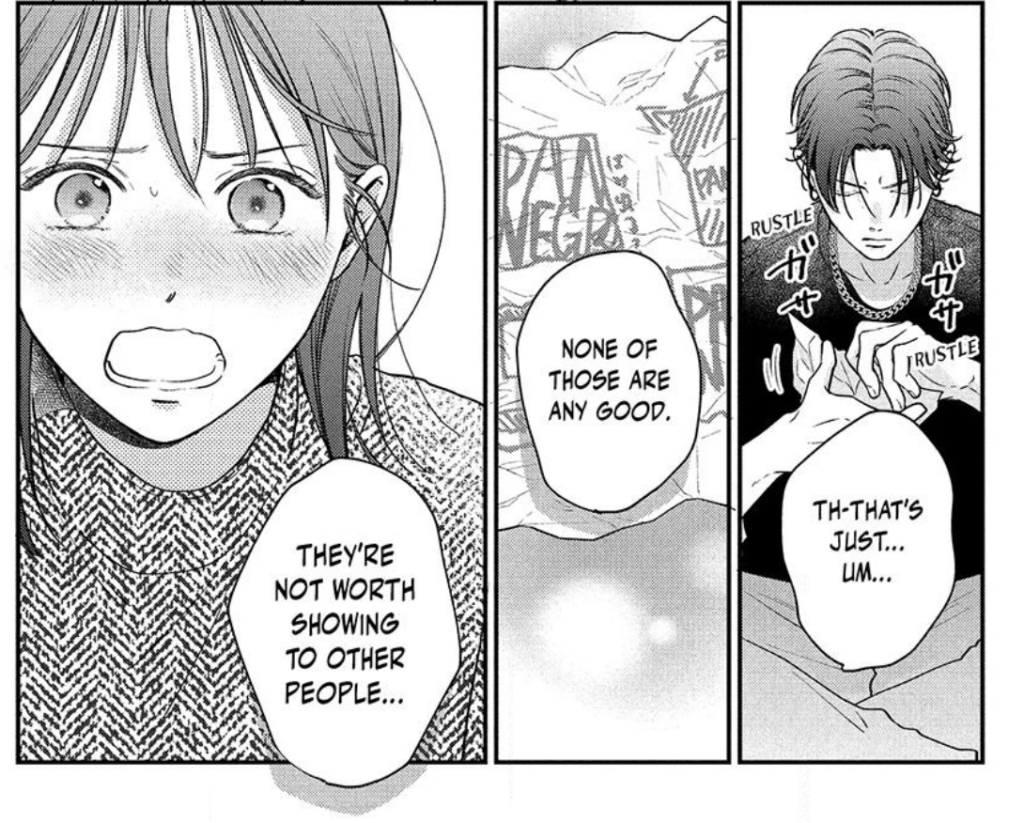
Hibari’s struggles with feeling like her work “isn’t good enough” feel painfully real. Throughout the story, she learns that even the people she views as geniuses face their own doubts. Have you ever experienced imposter syndrome like this in your own creative career?
The time that stands out the most was after becoming a manga artist. For a long while, I struggled to create a hit series. I had a lot of resentment and frustration. I want to be the person who understands Hibari the most, in a way. I also experienced those kinds of feelings at college. There were so many incredible artists and designers there. It felt like no matter how hard I tried to bring my ideas to life, I couldn’t quite get there and I couldn’t get a grasp of the technical skills. I just couldn’t compete with my cohorts. I thought that if people this incredible were doing the design work, I should just leave it all up to them.
Come back soon for part 2!
Read Choking on Love on K MANGA!
Recommendations
What is Young Magazine?

[Promise Me the Spotlight] Going Viral – A Special Feature with AKB48’s Momoka Ito x Mizuki Natsuno! – Part 2
[Promise Me the Spotlight] Going Viral – A Special Feature with AKB48’s Momoka Ito x Mizuki Natsuno! – Part 1
Manga Lingo 101
Dressed to Impress: Best K MANGA Fits