This article was originally published on September 20, 2025.
Calling all aspiring manga artists! While this interview was originally intended for those planning to enter the 115th Rookie Manga Awards, we felt that anyone aiming to create manga, and even simple fans of GACHIAKUTA, might find this an interesting read!
How does the creator of an incredibly popular serialization approach their work?
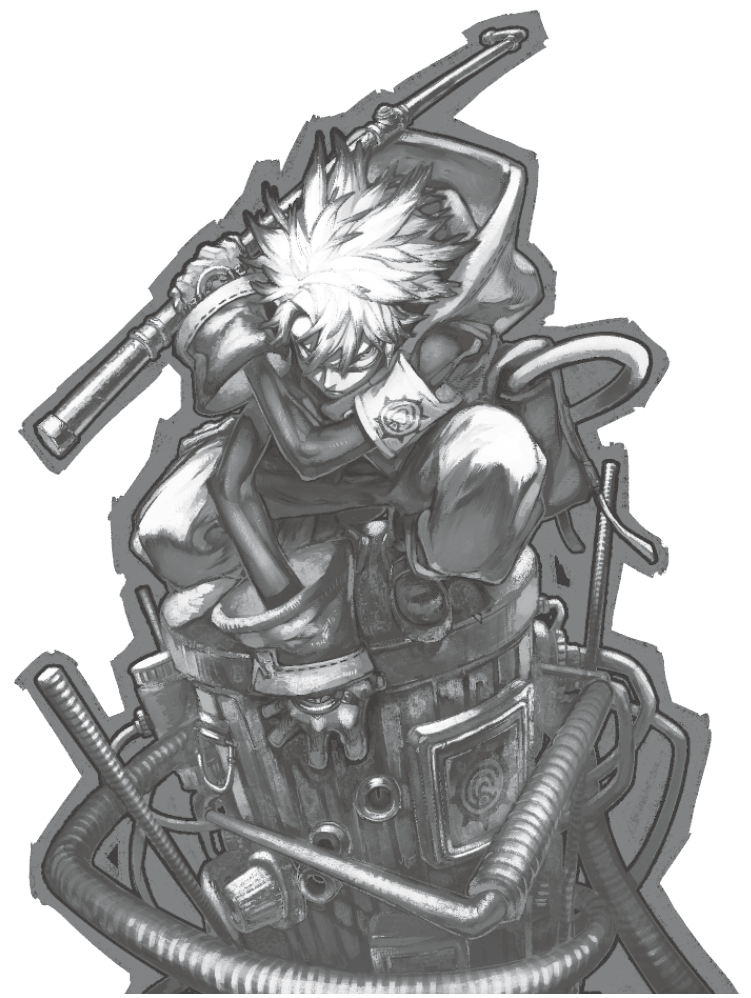
We sat down with Kei Urana, artist behind the incredibly popular series GACHIAKUTA, to learn more about her process!
Who is Kei Urana?
Born in Hiroshima. Submitted the prize-winning one-shot Nokase for the Magazine Grand Prix in March 2018, and followed that up with a win at the 103rd Rookie Manga Awards in 2019 with Shikido. After gaining experience as an assistant on Ohkubo-sensei’s Fire Force, she made her debut in February 2022 with the wildly successful GACHIAKUTA, which made its anime debut in July 2025.
Point 1 – It’s all about the world you build
――Let’s kick things off with what made you want to become a manga artist.
When I was little, I watched a lot of anime, and I really loved taking the movements of the characters and putting my own interpretation of them on paper in manga form. The very first one was during my early years of elementary school. I watched the anime for Brave Story and drew it as a manga. After that, I read D. Gray-man and Kamichama Karin and thought that these were the kind of manga I wanted to draw, so I started drawing.
――Roughly when did you start thinking about what magazine you’d like to be serialized in after becoming a manga artist?
There wasn’t really a magazine that I wanted to be serialized in. I just kind of wanted to draw manga. So, I brought my work to Weekly Shonen Magazine, which I thought fit me best and allowed me to create what I wanted.
――What made you think that Shonen Magazine offered that freedom?
I’ve always been a fan of Soul Eater, and at the time, Ohkubo-sensei was publishing Fire Force there, so I think that was a pretty big reason. He always comes up with story developments and characters that nobody else would think of, and I kind of formed the opinion that he was a pretty free creative spirit [laughs]. As fate would have it, I started working as Ohkubo-sensei’s assistant, and at the time, while he was serious about his work, he did some things that took me by surprise. There was one time when, while all the assistants were working, he was behind us. He picked up a scooter and started going around the room in circles [laughs].
――What was your impression of Shonen Magazine when you brought your work in?
I wanted to hear any feedback directly, so I went for a face-to-face meeting. The editor assigned to me’s first words were praise, and I remember being really happy. I was really nervous, so I don’t remember much, but I got some solid advice [laughs].
――When you were still a rookie, what did you focus on to secure serialization?
From the outset, I’ve thought that the character’s profiles and design were very important. I also got a lot of advice from my editor and senpais, one piece of which that it’s best to think of what kind of world the story will happen in and what will happen before starting a serialization. I made sure to put a lot of time into the world-building.
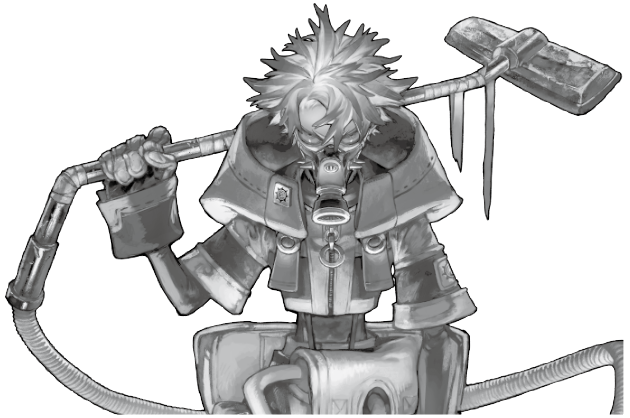
―― What made you choose “trash” as your theme?
I think there have been other stories that feature trash, but I hadn’t seen one that was only trash. I wanted to create a great manga with trash as the core concept. When I tried making a one-shot with the theme of trash, though, I couldn’t quite get the details of the world across, so I started to think of another story. In the end, I knew I really wanted to create a manga about trash, though, and when I went back in to work on it, GACHIAKUTA was born.
――You mentioned that there was a period of time where you started to consider another story, but did you feel reluctant to give up that idea and continue working on what would become GACHIAKUTA?
Not really. Even though I stopped partway through developing the idea, I learned more about storyboarding, and I think I came up with some good character designs, among other things, that could be carried forward. There’s actually a lot of ideas from my rejected submissions that have made their way into GACHIAKUTA. Everything is on the shelf, ready to go.
――Was it always the plan to collaborate with graffiti designer Andou on GACHIAKUTA?
I was planning to do all the work by myself at first, so I hadn’t even considered splitting the workload. The first time Andou did graffiti design for GACHIAKUTA was when the serialization was greenlit, and I was drawing the lead color spread for the first chapter. I was friends with Andou before and often talked to him on voice calls while working. I was talking to him at that time, too, and thought, “Wait, wouldn’t it be sick to add some graffiti here?” So I mentioned it to him, and he just casually drew some up. The finished design was really awesome. That led to asking Ando to handle the graffiti designs on a more serious basis.
There was no real example of combining manga with graffiti art while working on them separately before, so at the start, we were fumbling our way through it. We argued quite a lot [laughs], but we talked things through pretty thoroughly and managed to work out a way of creating together. During that time, our style gradually began to solidify, and we’ve reached a place where I can tell Andou what I’m imagining for something, and he’ll draw up designs for props, or group logos, or even Enjin’s tattoos.
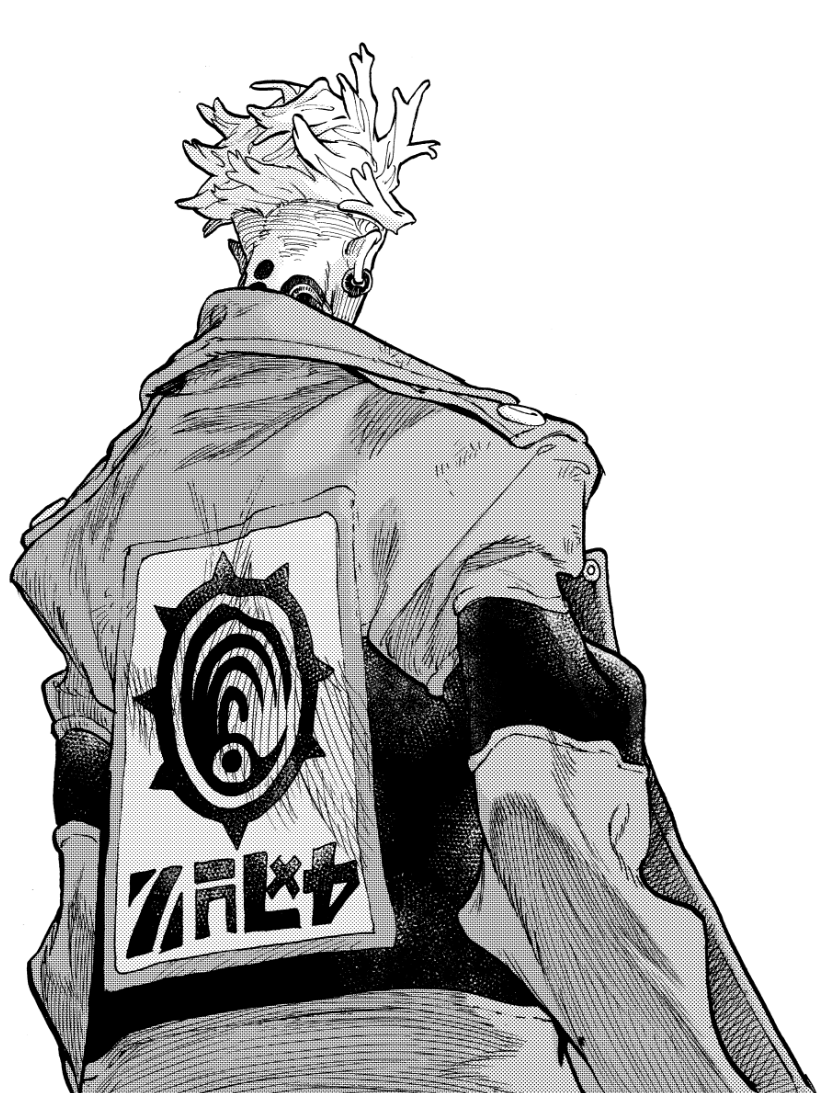
▲The logo for the Cleaners, as designed with Andou, featured on a jacket worn by Enjin, whose tattoos are also designed by Andou.
Check out part 2 here!
Read GACHIAKUTA here!
Recommendations
Real Art, Real Doubts: Keiko Iwashita on Bringing Choking on Love to Life – Part 2
Real Art, Real Doubts: Keiko Iwashita on Bringing Choking on Love to Life – Part 1

[Promise Me the Spotlight] Going Viral – A Special Feature with AKB48’s Momoka Ito x Mizuki Natsuno! – Part 2
[Promise Me the Spotlight] Going Viral – A Special Feature with AKB48’s Momoka Ito x Mizuki Natsuno! – Part 1
[GACHIAKUTA] Talking Shop with Kei Urana – Part 2